

Modern society does not necessarily mean that everything we come into contact with is cleaner or safer. Evidence of this can be seen in the growing number of reported cases of heavy metal poisoning, especially in developing countries such as Vietnam. So, what causes this problem?
HOW ARE HEAVY METALS EXPOSING US TO TOXICITY?
Heavy metal toxins are found all around us. They may include arsenic in soil or water sources, lead (Pb) in cosmetics of unknown origin, copper (Cu) residues from pesticides on vegetables or in cheap food-processing utensils, mercury in marine fish or supplements of unknown origin, and cadmium (Cd) in exhaust fumes or recycled plastic products.
These heavy metals enter our bodies little by little, day after day. However, unlike many other harmful substances, heavy metals are difficult for the body to filter out and eliminate completely. Residual heavy metals can remain in various organs and continue to accumulate over time.
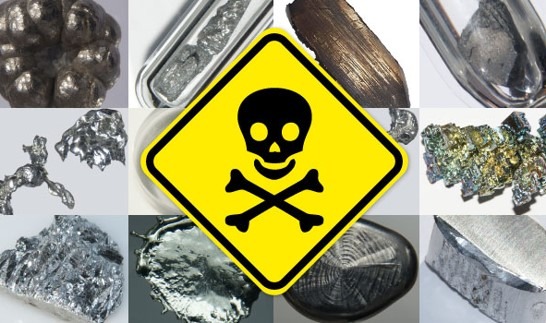
These toxic heavy metals attack cells, causing them to become poisoned and die. The toxins can then spread throughout the affected organs. The longer they remain in the body, the more organ function may deteriorate, potentially leading to serious consequences, including stroke or myocardial infarction (heart attack), which can be fatal.
Some symptoms your body may be using to warn you include:
Nervous system: Difficulty concentrating, memory loss, persistent headaches, anxiety, depression, insomnia, trembling hands and feet, and mild seizures.
Metabolic function: Chronic fatigue, unexplained exhaustion, bone pain and aches, and immune system disorders.
Digestive system: Nausea, loss of appetite, alternating constipation and diarrhea, and pain or discomfort in the right upper abdomen (liver area).
Liver and kidneys: Elevated liver enzymes, itchy or sensitive skin, reduced urine output and dark-colored urine, and mild swelling of the hands and feet.
IS EARLY SCREENING FOR HEAVY METAL POISONING NECESSARY?
The earlier heavy metal poisoning is detected, the more effectively its long-term harmful effects may be limited. In some cases, drug resistance or poor tolerance to treatment may occur, increasing costs and posing risks to the patient’s health.
Currently, conventional tests have certain limitations when it comes to detecting heavy metal toxicity, such as:
Blood tests: Because heavy metals may leave the bloodstream relatively quickly and accumulate in bones, tissues, the liver, the brain, and other areas, blood tests may produce false-negative results (results that appear normal despite the presence of toxicity).
Urine tests: These only measure the amount of metals being excreted at the time of testing and do not reflect the total amount of toxins accumulated in the body. Therefore, if the body’s ability to eliminate these substances is impaired, the results may be inaccurate.
As mentioned above, these tests cannot detect toxins hidden in tissues or quantify deficiencies in essential trace elements or the body’s ability to neutralize toxins.
To address these limitations, the Paracelsus Institute in Switzerland uses heavy metal and trace mineral screening technology based on micro-spectroscopy, meeting European CE standards. This method uses light wavelengths to penetrate tissues, detect and quantify heavy metal toxins, and identify mineral deficiencies or excesses.

The entire procedure takes less than 30 minutes. It is completely non-invasive, requires no fasting, and provides comprehensive results with detailed measurements for each parameter.
NEXT STEPS AFTER DETECTING HEAVY METAL POISONING
According to the biomedical approach of the Paracelsus Institute in Switzerland, once the specific heavy metals contributing to a client’s health problems have been identified, a personalized 1:1 treatment protocol is designed to address their individual condition.
Next, biomedical heavy metal detoxification therapy is administered to accelerate the elimination of toxins, reportedly removing 80% of them after just one treatment course. It also aims to balance hormones and reactivate new cell regeneration, helping heal organ tissues previously damaged by toxic exposure.
By using biomedical therapies for screening and detoxification, clients can feel reassured that the results not only provide accurate findings but also help identify the specific causes of health problems, rather than addressing only common symptoms.

